
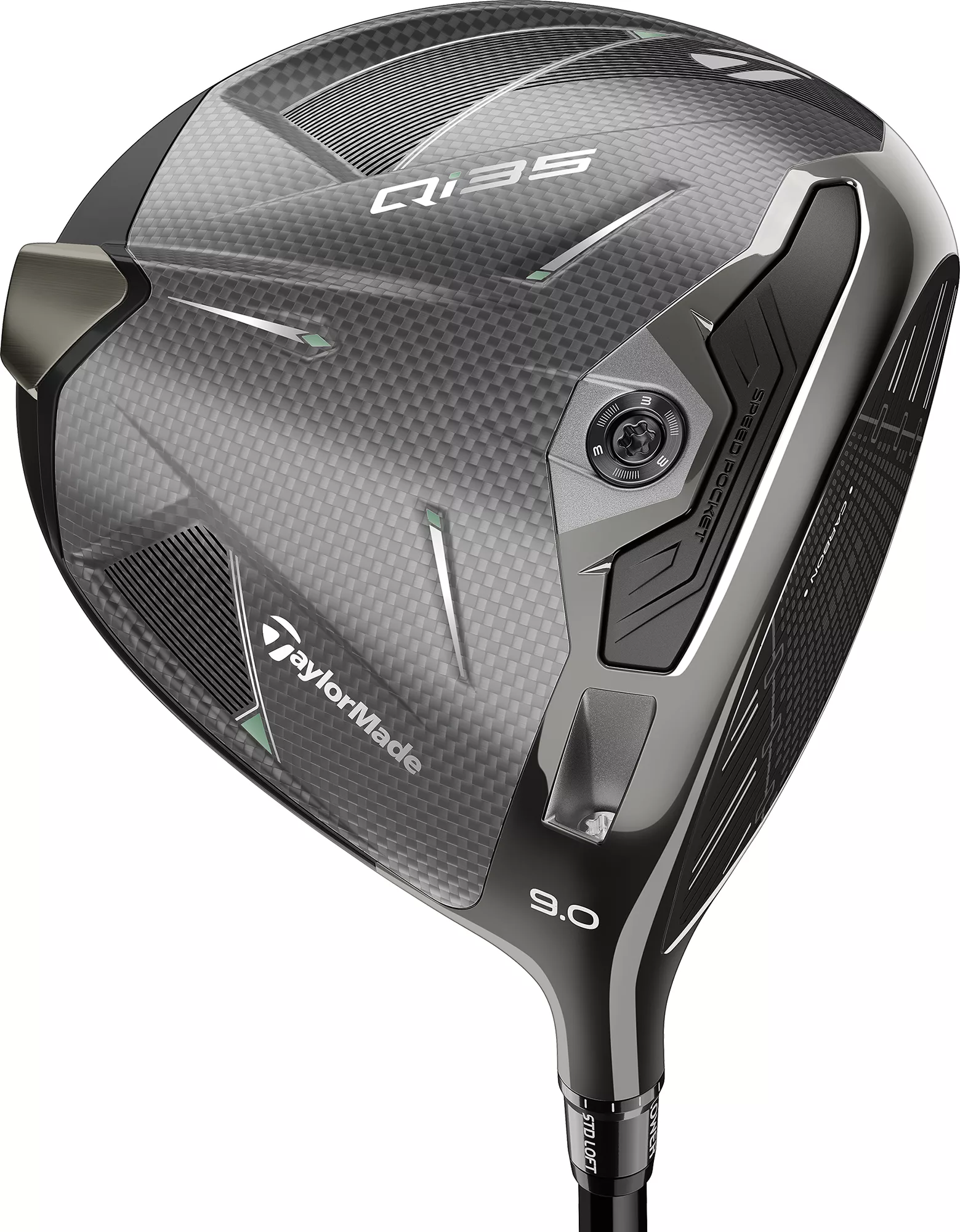
- +You are a mid-to-low handicap (roughly 0–12)
- +You make consistent contact near the center of the face
- +You want a neutral ball flight you can shape both ways
- +You swing above 90 mph and want mid-to-low spin
- +You draw the ball naturally and don't want more draw bias
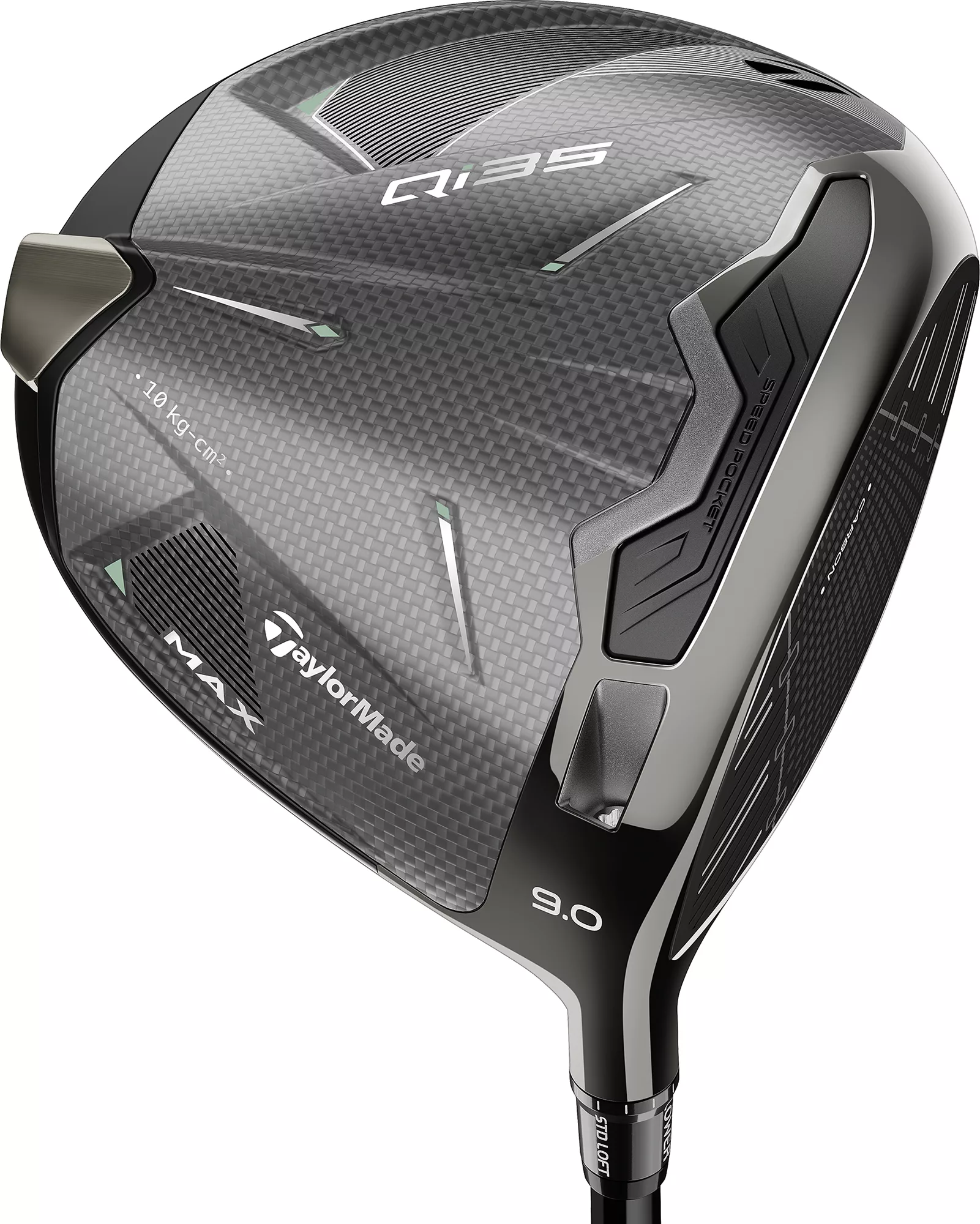
- +You are a mid-to-high handicap (roughly 10–28)
- +You miss the center of the face regularly
- +You fade or slice the ball and want gentle draw correction
- +You need more launch and carry distance
- +You want the most forgiving option in the Qi35 lineup
Same price, same year — this is a fitting question, not a budget question. Unlike the Qi10 vs Qi4D decision where price is a major factor, the Qi35 and Qi35 Max cost identical. The only right answer here is the one that matches your swing profile. A mid-handicapper in the Qi35 is leaving forgiveness on the table. A scratch golfer in the Qi35 Max may be fighting a higher launch and spin than their game needs.
Specs at a Glance
| Spec | Qi35 | Qi35 Max |
|---|---|---|
| Head Size | 460cc | 460cc |
| Face Tech | Twist Face | Twist Face |
| Construction | Carbon crown + sole | Carbon crown + sole |
| MOI | High | Very High |
| Launch | Mid | Mid-High |
| Spin | Mid | Mid-High |
| Ball Flight | Neutral | Slight draw bias |
| Forgiveness | High | Highest in lineup |
| Hosel | 24-way adjustable | 24-way adjustable |
| Price (2025) | $599 MSRP | $599 MSRP |
Head to Head
Forgiveness
Edge: Qi35 MaxQi35
The standard Qi35 is a forgiving driver by any measure — its carbon construction and weight positioning produce a high MOI that handles off-center contact better than most competitors in its class. Toe and heel mishits lose modest distance and stay in play. For a single-digit or low-mid handicap golfer with a reasonably consistent strike pattern, the Qi35's forgiveness is more than adequate.
Qi35 Max
The Qi35 Max takes forgiveness a meaningful step further. Weight is redistributed further back and toward the perimeter of the head, raising MOI above the standard Qi35. On toe and heel strikes the Qi35 Max holds its ball speed better and deflects less offline. The gap is most noticeable on heel strikes — where the Max's slightly draw-biased weight positioning does double duty, adding forgiveness and correcting the most common miss direction simultaneously.
Launch and Spin
Edge: Qi35 (lower spin), Qi35 Max (more carry for low-launch golfers)Qi35
The Qi35 produces a mid-launch, mid-spin flight that suits golfers with swing speeds above 90 mph who make consistent contact. It is efficient and penetrating — not a high-balloon flight. For better players who want to keep the ball under the wind or shape shots with trajectory, the Qi35's more neutral, lower-spin character is the right tool. The 24-way hosel lets you tune launch further if your baseline is already in the right range.
Qi35 Max
The Qi35 Max launches higher and spins slightly more than the standard Qi35, driven by the rearward weight position raising the center of gravity. For golfers who already struggle with too much spin, this is worth noting — the Max is not the driver for you if your launch monitor shows a high spin rate. For golfers who spin too little or carry the ball too low, the Max's higher launch is a genuine performance gain that adds carry distance.
Draw Bias and Ball Flight
Edge: Qi35 (neutral/workable), Qi35 Max (fade correction)Qi35
The Qi35 is neutral — its weight is positioned to produce a straight, workable ball flight that responds to your swing path and face angle. Good players who shape shots both ways will prefer the Qi35 for this reason. If you hit a draw naturally, the Qi35 will reward it without amplifying it. If you hit a fade, the Qi35 won't fight it — which is what a skilled shotmaker wants.
Qi35 Max
The Qi35 Max has a mild draw bias built into its weight distribution, with more mass positioned toward the heel. This is not as aggressive as the Qi35 Max D — it will not rescue a severe slicer — but it does create a small right-to-left correction that helps golfers who miss left of center with a fade. For golfers who want a forgiving driver that also gently pushes their ball flight straighter, the Max's built-in bias is a useful characteristic.
Feel and Sound
Edge: TieQi35
The Qi35 has the crisp, mid-frequency impact sound TaylorMade has refined across the Qi generation. The carbon crown and sole absorb vibration cleanly and the feedback through the grip is honest without being harsh. Better players will appreciate the feedback — off-center hits are communicated clearly enough to be informative without being punishing.
Qi35 Max
The Qi35 Max sounds and feels nearly identical to the standard Qi35 at impact. The acoustic engineering is shared across the lineup. If you compared them back to back in a blind test, most golfers would not tell them apart by feel alone. This is not a distinguishing factor between the two — choose based on performance characteristics, not feel.
Who Each Driver Is Built For
Edge: Qi35 (sub-12 handicap), Qi35 Max (12+ handicap or fade/slice)Qi35
The Qi35 is built for mid-to-low handicap golfers — roughly handicap 0–12 — who make consistent contact, swing above 90 mph, and want a driver that rewards good mechanics without adding forgiveness they don't need. It is also the right call for golfers who tend to draw the ball naturally and don't want their driver amplifying that flight further.
Qi35 Max
The Qi35 Max is built for mid-to-high handicap golfers — roughly handicap 10–28 — who miss off-center regularly, fade or slice the ball, or want the most forgiving option in TaylorMade's 2025 lineup regardless of handicap. It is also the correct choice for golfers whose launch monitor data shows they need more launch and carry distance.
The Full Qi35 Lineup Explained
The Qi35 and Qi35 Max are the two most common choices, but TaylorMade offers four variants in the 2025 lineup. Here is the quick guide to all of them:
For the ball striker
Qi35
Neutral flight, mid spin, high MOI. Best for handicap 0–12 with consistent contact and 90+ mph swing speed.
For the mid-to-high handicapper
Qi35 Max
Highest MOI in the lineup, mild draw bias, higher launch. Best for handicap 10–28 or anyone who fades/slices.
For the fast swinger
Qi35 LS
Low spin, low launch, workable. Best for 100+ mph players who already launch it high and want to reduce driver spin.
For the slicer
Qi35 Max D
Aggressive draw bias with heel-heavy weighting. Best for golfers with a pronounced left-to-right miss who need significant correction.
Our Verdict
Because the price is identical, this decision is cleaner than most. Know your handicap and your miss pattern, and the right driver picks itself.
If you are under a 12 handicap and hit it on the face with reasonable consistency, the standard Qi35 gives you a better-matched spin profile and a more neutral flight. If you are above a 12 handicap or you know you miss the center regularly, the Qi35 Max will give you measurably better results on your bad swings — which is where rounds are won and lost.
Where to Buy
Frequently Asked Questions
What is the difference between the TaylorMade Qi35 and Qi35 Max?
The Qi35 and Qi35 Max share the same face, carbon construction, and 24-way hosel but differ in weight positioning and resulting performance. The Qi35 Max has more weight moved back and toward the heel, producing a higher MOI, higher launch, more draw-biased flight, and greater forgiveness on off-center hits. The standard Qi35 is lower spin, neutral, and rewards consistent contact.
Is the Qi35 Max more forgiving than the Qi35?
Yes, meaningfully so. The Qi35 Max's higher MOI means off-center hits — especially toward the heel and toe — lose less ball speed and deflect less offline compared to the standard Qi35. For golfers who miss the center frequently, the Max is the correct choice and the forgiveness difference is real enough to show up in your dispersion on the course.
Does the Qi35 Max have draw bias?
Yes, mildly. The heel-side weight positioning in the Qi35 Max promotes a slight right-to-left ball flight correction that helps golfers who tend to fade or cut the ball. It is not aggressive enough to rescue a severe slicer — for that, look at the Qi35 Max D. But for a golfer with a modest fade, the Max's built-in bias works quietly in your favor.
What swing speed is the Qi35 designed for?
The Qi35 is optimized for swing speeds above 90 mph where its mid-spin profile and neutral flight are most effective. At slower speeds the Qi35 Max's higher launch and slightly more draw-biased weighting tends to produce better results. If you are unsure of your swing speed, a quick session at a golf shop with a launch monitor will tell you which variant matches your numbers.
Should I get the Qi35 Max or Max D?
The Qi35 Max D is for golfers with a pronounced, consistent slice or fade who need significant draw correction built into the head. If your miss is a modest fade, the Qi35 Max's mild draw bias is enough and the Max D may overcorrect. If you fight a significant left-to-right ball flight on most drives, the Max D is worth trying. A fitting session will show you which one straightens your dispersion more effectively.