
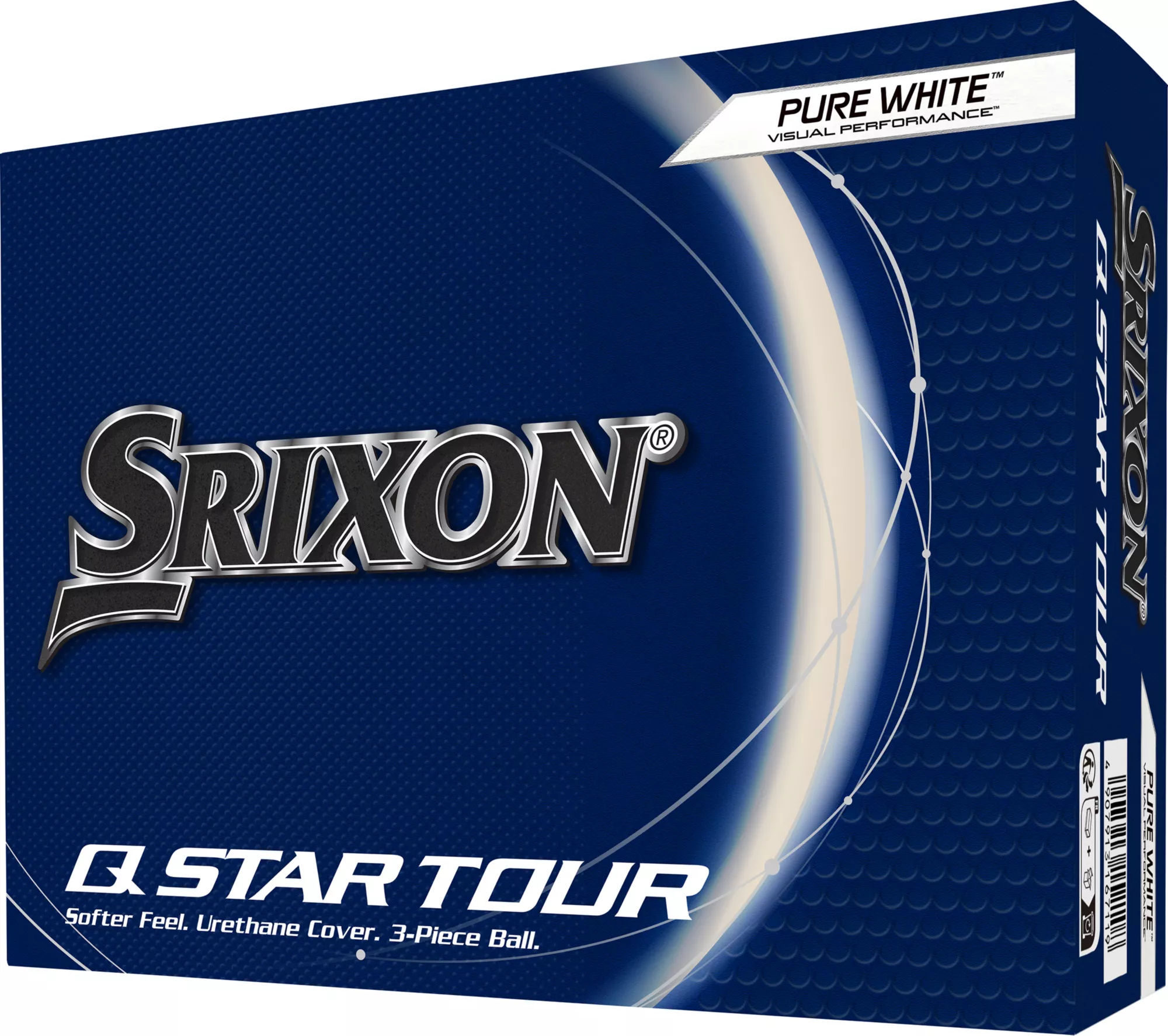
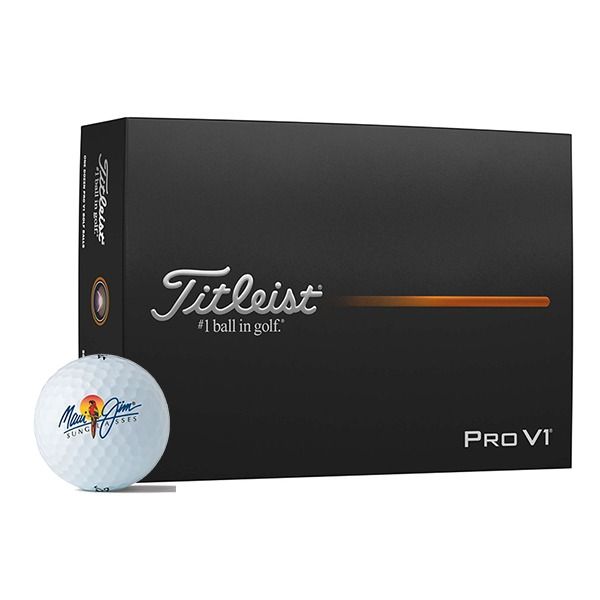
- +Your swing speed is between 75–100 mph
- +You want a urethane cover without paying full tour ball prices
- +Your handicap is 10–20 and you want to step up from ionomer
- +You want soft feel and genuine short-game spin at $35
- +You lose more than one ball per round and budget matters
- +Your swing speed is consistently above 90 mph
- +Short-game spin and stopping power are central to your scoring
- +Your handicap is below 15 and you play regularly
- +You play in wind and need a consistent penetrating flight
- +You want the most proven short-game ball in the category
Specs Comparison
| Spec | Q-Star Tour | Pro V1 |
|---|---|---|
| Construction | 3-piece | 3-piece |
| Compression | ~72 | 90 |
| Cover | Urethane (Spin Skin) | Urethane |
| Core | FastLayer Core | ZG Process Dual Core |
| Dimple Count | 338 | 352 |
| Feel | Soft | Soft-Medium |
| Driver Launch | Mid-High | Mid |
| Driver Spin | Mid | Low-Mid |
| Wedge Spin | High | Very High |
| Price (2026) | ~$35/dozen | ~$54/dozen |
Head to Head
Feel
Edge: Q-Star Tour (softness); Pro V1 (feedback)Q-Star Tour
The Q-Star Tour's FastLayer Core technology uses a gradient — soft at the center, firm at the edge — to produce a feel that is softer than its compression rating suggests. Off the putter it has a satisfying, controlled sensation that is noticeably better than ionomer balls and competitive with mid-range urethane options. Off irons it is soft and accessible. For a first-time urethane ball buyer upgrading from a range ball or budget ionomer, the Q-Star Tour feel is a revelation at $35.
Pro V1
The Pro V1 at compression 90 produces the feel that most golfers associate with 'tour ball quality': soft but communicative, with clear feedback about contact quality on every shot. Off the putter it has a slightly firmer sensation than the Q-Star Tour that tells you more about pace and center contact. Off irons and wedges the feedback is immediate. For players who use feel as information rather than just sensation, the Pro V1's more responsive character is genuinely useful.
Distance
Edge: Pro V1 (wind and 100+ mph); Tie (80–100 mph, calm conditions)Q-Star Tour
The Q-Star Tour's lower compression suits the 80–100 mph swing speed range. At those speeds it compresses efficiently and produces good ball speed, often matching the Pro V1 on carry distance within a few yards. Its mid-high launch profile helps golfers who need to generate height from their swing rather than from the ball's spin profile. For the majority of recreational golfers, the Q-Star Tour is not a distance sacrifice compared to the Pro V1.
Pro V1
The Pro V1 launches lower with less spin than the Q-Star Tour, which produces a more penetrating wind-resistant flight. In calm conditions, the distance gap between the two balls at 80–100 mph is small. In wind, the Pro V1's lower flight holds distance better. Above 100 mph, the Pro V1's firmer compression returns more ball speed and it becomes the clearly longer ball. Below 100 mph in benign conditions, the Q-Star Tour is competitive.
Short Game
Edge: Pro V1Q-Star Tour
The Q-Star Tour's urethane Spin Skin cover is the same cover technology as the Z-Star lineup — just on a softer, lower-compression core. It produces genuinely high greenside spin on chips and pitches: well above an ionomer ball and competitive with mid-range tour balls. On full wedge shots from 100+ yards the softer core gives it a slight disadvantage versus the Pro V1, but for most recreational golfers who are still working on consistent distance control, that gap is academic.
Pro V1
The Pro V1's short-game performance is its most celebrated quality. The urethane elastomer cover produces very high wedge spin from all distances and lies — on full shots from 120 yards, on 50-yard pitches, and on short chip shots from the fringe. For golfers whose game centers on scoring from inside 100 yards, the Pro V1's short-game edge over the Q-Star Tour is the clearest justification for the $19 price difference.
Value
Edge: Q-Star TourQ-Star Tour
At $35 a dozen, the Q-Star Tour is the sweet spot of the golf ball market. It delivers urethane cover performance — real greenside spin, real soft feel — at $19 less per dozen than the Pro V1. For a golfer who plays two to three rounds a week and uses one to two balls per round, that adds up to $40–$80 in savings per season without meaningfully giving up performance. It is the ball Srixon designed specifically for golfers who want the Z-Star experience without Z-Star pricing.
Pro V1
The Pro V1 at $54 a dozen is the premium end of the market. The price is justified for golfers who play regularly, have a handicap below 15, swing above 90 mph, and genuinely need the short-game spin and trajectory consistency the Pro V1 provides. For those golfers it is worth every dollar. For golfers who do not yet meet those criteria, the Pro V1 is an aspirational purchase — and the Q-Star Tour is the smarter choice until they get there.
Our Verdict
The Q-Star Tour is the best ball in golf for mid-handicappers who want urethane performance without tour ball pricing. At $35 a dozen it delivers real Spin Skin urethane feel and spin — not a budget approximation of it — and for golfers in the 80–100 mph range it is distance-competitive with the Pro V1 in most conditions.
The Pro V1 earns its $19 premium when your handicap is below 15, your swing speed is above 90 mph, and your scoring game specifically depends on stopping wedge shots. Below that threshold, the Q-Star Tour is not a compromise — it is the right ball.
Frequently Asked Questions
Is the Srixon Q-Star Tour as good as the Pro V1?
For most mid-handicappers in the 80–100 mph range, the Q-Star Tour performs very close to the Pro V1 on distance and delivers genuinely competitive short-game spin from its urethane cover. The Pro V1 has measurable advantages on full wedge shots and wind performance. For sub-15 handicappers above 90 mph, the Pro V1 is worth the premium. Below that, the Q-Star Tour is the smarter choice.
What compression is the Srixon Q-Star Tour?
The Srixon Q-Star Tour has a compression of approximately 72, making it softer than the Pro V1 (compression 90). It is well-suited to golfers in the 80–100 mph range where it compresses efficiently and produces good ball speed.
Does the Q-Star Tour have a urethane cover?
Yes. The Q-Star Tour has a urethane Spin Skin cover — the same cover technology used on Srixon's Z-Star and Z-Star XV. At $35 a dozen it is one of the most affordable urethane golf balls available.
Who is the Q-Star Tour designed for?
The Q-Star Tour targets golfers with swing speeds between 75 and 100 mph who want urethane tour ball performance without the full tour ball price. It is Srixon's answer for mid-handicappers transitioning from ionomer/Surlyn balls to urethane.
Is the Q-Star Tour or Z-Star better?
The Z-Star is better for golfers above 95 mph who want maximum short-game spin and true tour ball performance. The Q-Star Tour is the better value for golfers between 75–95 mph. The $9 price difference also makes the Q-Star Tour the smarter choice for golfers not yet playing at the level that demands the Z-Star's full performance.