
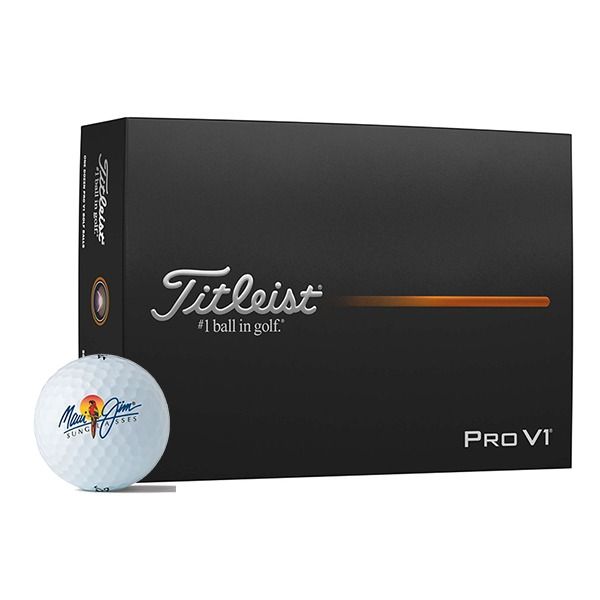
- +Your swing speed is between 85–105 mph
- +You prefer a softer, more muted feel
- +You want a lower, more penetrating ball flight
- +You play in windy conditions regularly
- +You already hit the ball too high
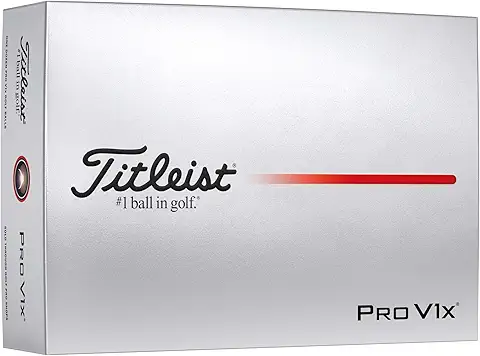
- +Your swing speed is consistently above 100 mph
- +You prefer a firm, responsive feel
- +You want maximum carry height and trajectory
- +You hit it low and need more height to hold greens
- +You are a scratch or low-handicap player
Why do tour players split almost 50/50? The PGA Tour field consistently sees roughly half the field on Pro V1 and half on Pro V1x. The reason isn't brand loyalty — it's that swing speed and preferred trajectory genuinely split the tour. Faster players who want more carry height play the V1x. Players who want a lower, controlling flight play the V1.
Specs at a Glance
| Spec | Pro V1 | Pro V1x |
|---|---|---|
| Construction | 3-piece | 4-piece |
| Cover | Urethane | Urethane |
| Compression | ~87 | ~100 |
| Feel | Soft-Medium | Firm |
| Launch | Low-Mid | High |
| Ball Flight | Penetrating | High |
| Driver Spin | Low | Low-Mid |
| Short Game Spin | High | Very High |
| Target Swing Speed | 85–105 mph | 100–115+ mph |
| Price (2026) | ~$54/dozen | ~$54/dozen |
Head to Head
Feel
Edge: Pro V1 (softer, wider appeal), V1x (firmest response)Pro V1
At compression ~87, the Pro V1 is the softer ball. It has a muted, buttery feel off the putter and a slightly fuller sensation on full iron shots. For most golfers — even mid-handicappers — this translates to a more comfortable, less jarring response across the bag. It is not a soft ionomer ball by any means, but relative to the V1x it is noticeably more accessible.
Pro V1x
The Pro V1x at compression ~100 is one of the firmest balls in mainstream golf. Titleist builds it that way deliberately: it is engineered for elite swing speeds that generate enough force to compress it fully. Off the putter it has a crisp, dense response that many fast swingers prefer. If the V1 feels like a soft handshake, the V1x feels like a firm one.
Distance Off the Driver
Edge: Pro V1 (under 100 mph), V1x (100+ mph with high carry)Pro V1
The Pro V1's 3-piece construction and lower compression produce a lower-spinning, penetrating driver flight that works across a wide range of swing speeds. Golfers from 85 to 105 mph can compress it effectively and generate efficient ball speed. The lower trajectory helps in windy conditions and produces a more boring, stable flight. For most recreational golfers, the V1 is the longer ball.
Pro V1x
The Pro V1x is specifically optimized for swing speeds above 100 mph. Its 4-piece construction and higher compression create a higher launch angle and slightly more spin — which translates to more carry when the swing speed is there to exploit it. Below 95 mph, golfers often cannot compress the V1x efficiently, and the extra firmness starts working against them in both distance and feel.
Ball Flight and Trajectory
Edge: Pro V1 (low penetrating flight), V1x (maximum carry height)Pro V1
The Pro V1 produces a lower, more penetrating flight that stays below the wind. Golfers who play links-style courses, exposed coastal layouts, or who simply prefer a controlled, boring trajectory will gravitate here. It is also the right choice if you already launch the ball high — the V1's profile won't add to an already balloon-like driver flight.
Pro V1x
The Pro V1x launches higher and holds its trajectory longer in the air, which produces more carry distance on pure strikes for fast swingers. It is specifically engineered to give elite swing-speed players the height they need to hold firm greens with long irons and fairway woods. If you naturally hit it low and want more carry, the V1x adds height without changing your swing.
Short Game and Greenside Spin
Edge: Pro V1x (marginally more spin), Pro V1 (better feel for most)Pro V1
The Pro V1 generates high greenside spin and has exceptional feel on chip shots and pitches. The softer urethane cover grabs grooves on delicate shots around the green and gives a responsive, informative feel on lag putts. For most golfers, it is everything you need from a short-game ball. Many tour players choose the V1 specifically for its short-game feel.
Pro V1x
The Pro V1x produces slightly more spin on partial wedge shots and full approach shots. The extra piece in the construction allows Titleist to tune the short-game layer independently, and the result is a fractionally more grabby response on 60–80-yard shots. The difference is real but narrow — you need to be at scratch level with an elite short game to detect it consistently.
Durability
Edge: TiePro V1
Both balls use the same generation of Titleist's urethane elastomer cover and durability is effectively equal. Tour balls in general are not designed for longevity — they are designed for peak performance and are replaced frequently by competitive players. Expect normal scuffing on cart paths and rough concrete. Neither ball is meaningfully more durable than the other.
Pro V1x
Same story as the V1. The urethane cover on both models behaves identically in real-world conditions. Neither will survive a cart path encounter without scuffing. At $54/dozen, replacing a scuffed ball before a round is the right call regardless of which model you play.
The One Question That Decides It
Forget feel preference, forget what your playing partner uses. The single most reliable predictor of which ball fits you is swing speed. Titleist has engineered these two balls around different compression and launch profiles, and the compression number matters.
If you can't compress the V1x efficiently — which requires consistently generating 100+ mph of clubhead speed — you are leaving distance on the table and paying the same price for a worse fit. The V1 at compression ~87 performs across a wider range, which is exactly why most recreational golfers and even many tour players choose it.
Swing Speed
Ball Flight
Feel Preference
Our Verdict
When in doubt, start with the Pro V1. It works for a wider range of golfers — lower flight, more reliable in the wind, easier to control.
The Pro V1x is for fast swingers above 105 mph who want more launch and more stopping power on approach shots. If that's not you, the V1 is the better fit.
Where to Buy
Frequently Asked Questions
What is the main difference between the Pro V1 and Pro V1x?
Construction, compression, and trajectory. The Pro V1 is a 3-piece ball at compression ~87 that produces a lower, penetrating flight and softer feel. The Pro V1x is a 4-piece ball at compression ~100 that produces a higher launch angle and firmer feel, optimized for swing speeds above 100 mph.
Which is better for a high handicapper — Pro V1 or Pro V1x?
The Pro V1, but honestly neither ball is ideal for high handicappers. The V1's lower compression is more forgiving of moderate swing speeds, but golfers with swing speeds below 85 mph will benefit more from a ball specifically engineered for their swing — such as a mid-compression or cast urethane ball.
Does the Pro V1x go farther than the Pro V1?
Not for most golfers. The V1x produces more carry for swing speeds above 100 mph where its higher launch trajectory is fully exploited. Below that threshold, the V1x's extra firmness makes it harder to compress, and the V1's lower spin profile often produces equal or greater total distance.
Which Pro V1 do most PGA Tour players use?
The tour splits roughly evenly between both models. Players who prefer lower flight and a softer feel tend to play the V1. Players with very high swing speeds who want maximum carry height tend to play the V1x. Both are among the most-played balls on tour every week.
Is the Pro V1x harder to compress than the Pro V1?
Yes. The Pro V1x at compression ~100 requires more clubhead speed to fully compress. If your driver swing speed is below 95 mph, you will likely feel the V1x as overly firm and notice reduced distance. The Pro V1 at compression ~87 is more accessible and performs well from 85 mph upward.